

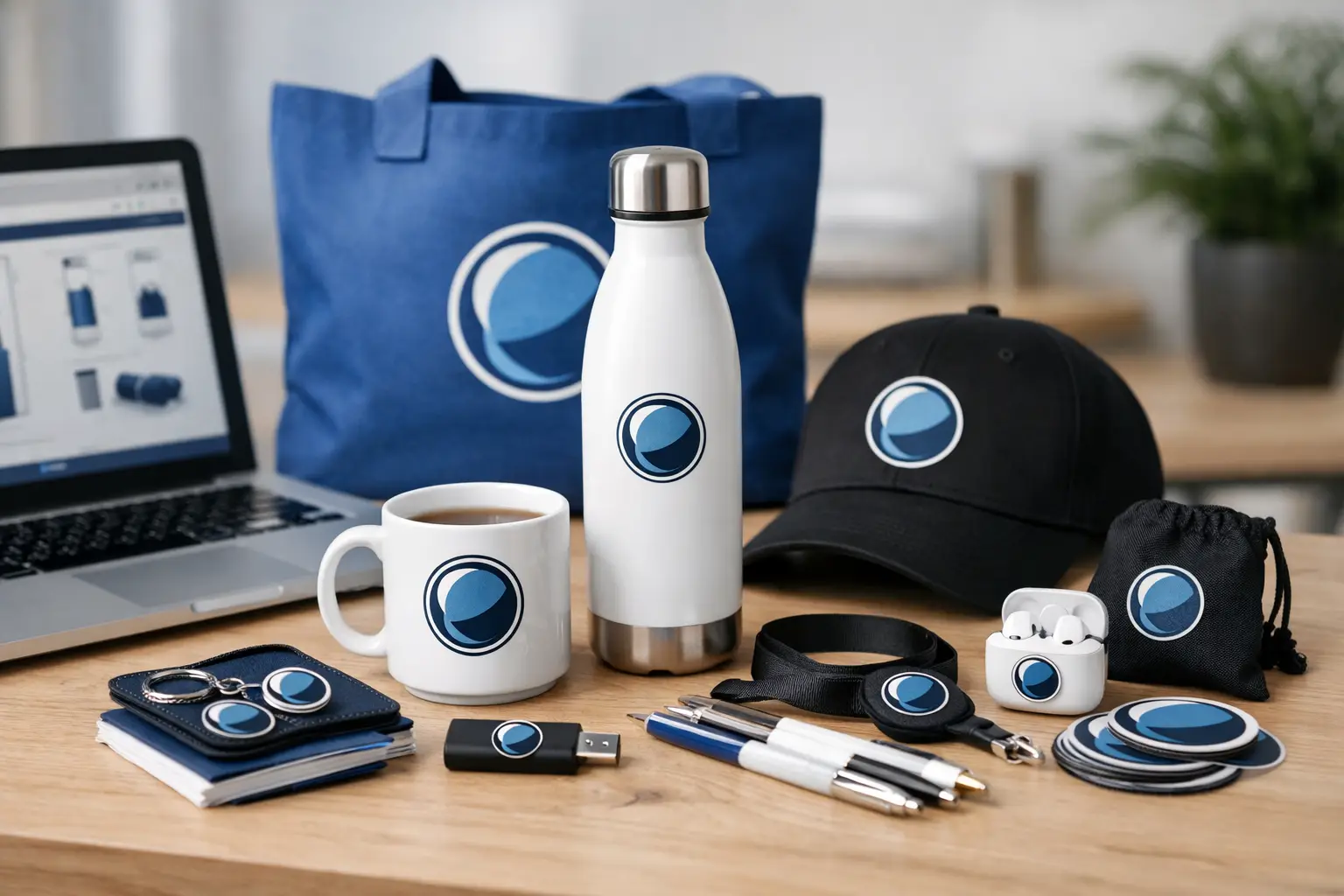
A trade-show table covered in low-value freebies rarely produces results. A useful tote bag, a clean logo T-shirt, or a quality mug can stay with a customer for months. The difference comes down to product selection, artwork preparation, and ordering early enough to approve the details. If you are learning how to order branded giveaway items, start by matching the item to the person receiving it and the job it needs to do.
Giveaways are not just event extras. They can support store openings, staff uniforms, restaurant promotions, client thank-you campaigns, product launches, and internal recognition. Order with a clear purpose, and your branding budget works harder.
Start With the Giveaway Goal
Before comparing products or upload options, decide what a successful giveaway should achieve. A high-volume community event may require affordable key chains, pens, stickers, or non-woven bags. A corporate meeting or client presentation may justify insulated drinkware, premium notebooks, USB drives, or embroidered caps.
The recipient changes the choice. A gym may distribute branded T-shirts and water bottles. A restaurant may use chef coats and caps for staff while giving customers magnets, mugs, or reusable bags. A real estate office may prefer practical notepads, pens, and key chains that keep its name visible after a viewing.
Also consider how long the product will be used. A postcard or sticker is low cost and immediate. A durable bag, mug, or jacket has a higher unit price but can create repeated brand exposure. Neither option is automatically better. It depends on audience size, available budget, and whether you need reach, perceived value, or both.
How to Order Branded Giveaway Items Step by Step
The fastest way to place an accurate order is to lock down the product, quantity, print method, and artwork before adding items to the cart. Changing one of these details late can affect price, production time, and the available print area.
1. Choose a product that fits daily use
Useful items are easier to keep. Branded bags work well for retail, schools, exhibitions, and grocery promotions. Mugs suit offices, cafes, and employee welcome kits. T-shirts and caps create visibility at outdoor events, charity runs, and store launches. USB drives may fit training programs, technology businesses, or media kits where file sharing is part of the offer.
Do not choose only by the lowest price. Check the product material, color options, available sizes, and decoration area. A dark cotton T-shirt may need a different print approach than a white polyester shirt. A metal mug, plastic key chain, and canvas tote each have different surface and color limitations.
For event tables, choose items that are easy to carry. For staff or VIP gifts, focus more on quality and finish. A giveaway should feel appropriate for the setting, not just carry a logo.
2. Set quantity based on attendance and follow-up use
Estimate how many people you expect, then add a sensible buffer for staff, walk-ins, and future use. For a small client event with 75 guests, ordering 100 to 125 items is often practical. For a public festival, the quantity may need to be much higher, particularly for low-cost products such as stickers, bags, or key chains.
Quantity also affects unit cost. Many branded merchandise products become more cost-efficient at higher order volumes because setup and production are spread across more units. However, do not over-order a dated design, seasonal message, or event-specific product that cannot be reused.
If your logo, address, or campaign details are likely to change soon, keep the order conservative. For evergreen branding with no date or temporary promotion, a larger quantity can make better commercial sense.
3. Prepare artwork before ordering
The product is only as professional as the artwork printed on it. Use a high-resolution logo file, preferably vector artwork such as AI, EPS, PDF, or SVG when available. Vector files keep lines and text sharp when resized. A high-resolution PNG may work for some designs, but screenshots, social media images, and compressed web graphics often produce soft or pixelated results.
Keep the design simple enough for the product size. A business card can carry contact details, a tagline, and several brand elements. A small key chain cannot. On compact products, prioritize a clear logo, short web address, phone number, or simple call to action.
Check brand colors carefully. Full-color sublimation can reproduce detailed artwork and photographs on suitable products. Screen printing may be a better value for bold one-color or two-color designs at volume. Embroidery gives caps, uniforms, and certain apparel a textured, durable finish, but fine detail and small text may not translate well.
If you are ordering several products for one campaign, use the same approved logo version, colors, and messaging across every item. Consistency matters when customers receive a bag, T-shirt, flyer, and sticker at the same event.
4. Select the right print or decoration method
Print methods are not interchangeable, and the right choice depends on material, design complexity, quantity, and intended use. For apparel, screen printing is commonly suitable for bold graphics and larger quantities. Direct-to-film and related apparel methods can suit detailed full-color designs, especially for smaller runs. Sublimation is often used for polyester products and full-color printed surfaces.
For business items such as mugs, pens, trophies, and USBs, options may include pad printing, UV printing, laser engraving, or sublimation. Laser engraving is usually understated and long-lasting on compatible metal or coated surfaces. UV printing can offer crisp color on many rigid items. Ask for the available method for the specific product rather than choosing based on appearance alone.
A print method should support the purpose of the item. A low-cost promotional pen does not need the same finish as an employee award or a premium client gift. Spend where the recipient will notice it.
5. Review placement, color, and product specifications
Before checkout, confirm which side or location will be printed. A tote bag may offer one-sided or two-sided printing. A mug may have different placement options for right-handed and left-handed users. A T-shirt can be printed on the chest, back, sleeve, or multiple locations, with each additional placement affecting cost.
Review color selections too. Your artwork may look excellent on white but lose contrast on black, navy, red, or natural canvas. A white logo can stand out on dark apparel, while a dark logo may be needed on pale products. If you offer multiple product colors, make sure the selected artwork works across all of them.
For apparel, verify the size breakdown before placing the order. A general event order may need a mix weighted toward medium, large, and extra large, but your audience may differ. Staff uniforms should be ordered from confirmed size information, not assumptions.
6. Build enough time for production and delivery
Rush ordering limits choices. Specialty finishes, embroidery, large quantities, custom packaging, and multi-location printing can require more production time than a basic one-color print. Artwork corrections or proof approval can also add time.
Work backward from the date you need the products in hand, not the event date. Allow time to inspect the shipment, organize distribution, pack attendee kits, or sort apparel by size. If the giveaway is part of a larger campaign, coordinate it with printed flyers, banners, roll-up displays, business cards, and signage so all materials arrive when needed.
At Seaonce, businesses can source promotional merchandise alongside routine print products and event collateral, which helps reduce the back-and-forth of managing separate suppliers. The practical advantage is not just convenience. It is easier to keep logo files, colors, and campaign messaging consistent across products.
Common Ordering Mistakes That Cost More Later
The most expensive mistakes are often preventable. Ordering too close to the deadline can result in rushed choices. Uploading a low-quality logo can weaken an otherwise good product. Choosing a tiny print area for a detailed design can make the message unreadable.
Another common issue is treating every recipient the same. A customer giveaway, staff uniform, and executive thank-you gift should not necessarily use the same item or budget. Segment the order when the campaign calls for it. You may use affordable stickers and bags for public distribution while reserving embroidered apparel or premium mugs for employees and repeat clients.
Finally, avoid printing information that will expire quickly unless the campaign requires it. A dated promotion may be correct for a one-week launch, but an evergreen logo and contact detail allow leftover inventory to remain useful.
Make the Giveaway Part of the Customer Experience
A branded item works best when it is connected to a reason to keep it. Hand out a tote bag with a product sample, pair a mug with a loyalty offer, or include a QR code on a card inserted with a premium gift. For staff onboarding, combine a branded shirt or cap with name badges, notebooks, and business stationery.
The item does not have to be expensive to feel considered. It needs to be useful, clearly branded, and produced with the right specifications. Order early, keep the artwork clean, and select products that make sense in your customers’ hands long after the event table is gone.