

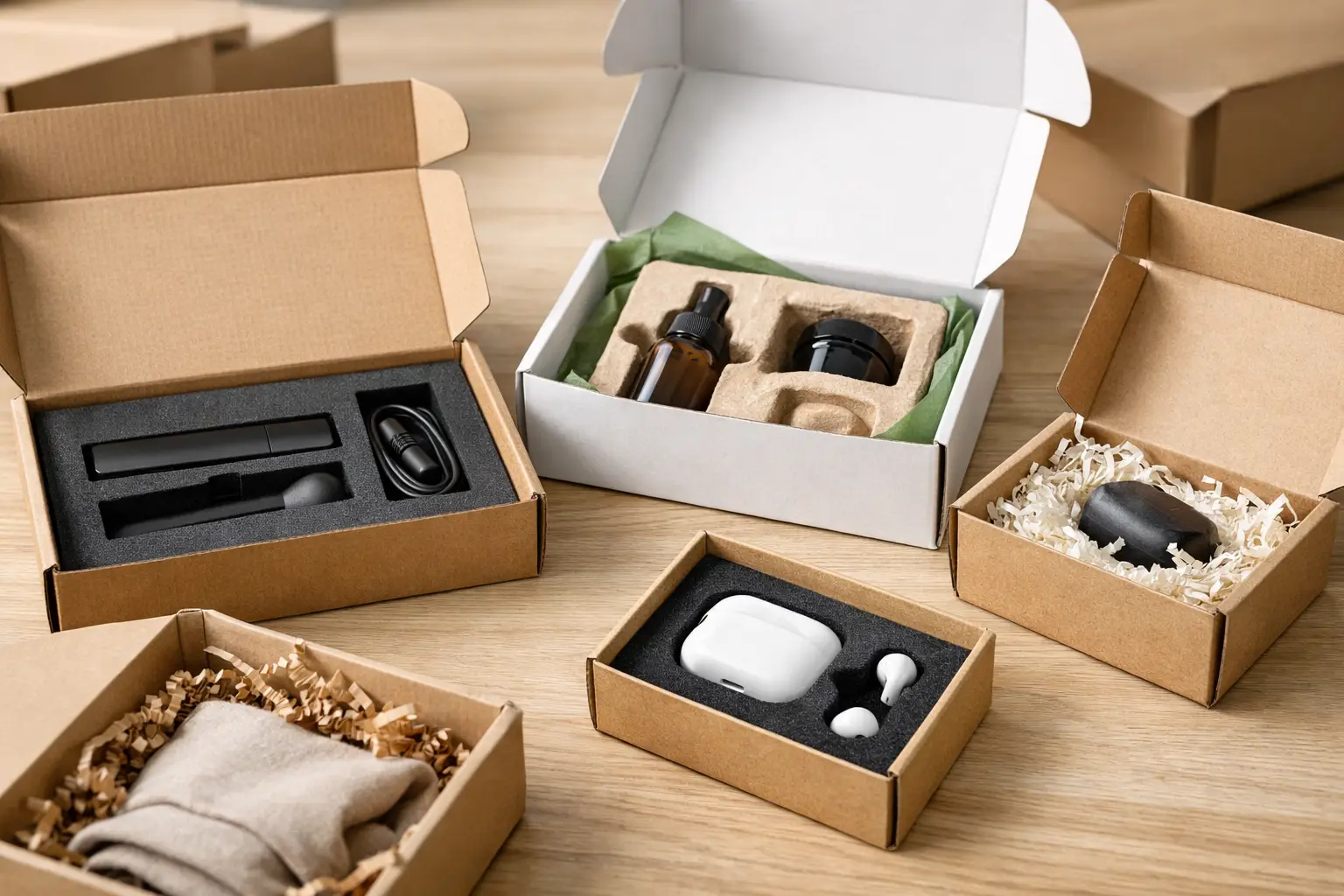
A plain shipping box does the delivery job. A well-planned insert turns that same box into a branded order, explains what the customer received, and gives them a reason to buy again. The best custom packaging inserts are not always the most expensive ones. They are the pieces that fit the product, survive handling, and communicate one clear message without adding unnecessary packing cost.
For small retailers, restaurants, subscription sellers, event businesses, and growing e-commerce brands, inserts are a practical extension of printed marketing. They can introduce a new service, provide care instructions, confirm a promotion, or simply make an order feel organized and complete.
What Makes the Best Custom Packaging Inserts?
Start with the purpose of the insert, not the finish. A thank-you card needs readable type and a message that feels personal. A product information card needs enough space for instructions, ingredients, warranty terms, or safety notes. A gift set may need a die-cut holder or folded sleeve that physically keeps items in place.
The best option depends on what happens between packing and delivery. Lightweight cards work well for apparel, beauty products, stationery, and small gifts. Heavy, fragile, or multi-piece products often need structural packaging inserts made from corrugated board, foam, molded pulp, or rigid paperboard. A premium-looking insert that lets products shift inside the box is not doing its job.
For most everyday orders, printed paper or cardstock inserts offer the strongest balance of price, branding flexibility, and fast ordering. They are easy to update for seasonal campaigns, new offers, or product changes without rebuilding the entire package.
Choose the Insert Type by Order Goal
Thank-you cards and promotional inserts
Thank-you cards are a simple choice for brands that want to add warmth without changing their packing process. Standard postcard sizes are easy to place on top of tissue paper or merchandise. Use the front for a logo, product image, or seasonal design, then reserve the back for a short thank-you note, discount code, referral offer, or social media prompt.
Keep the call to action limited. A card that asks customers to leave a review, follow three accounts, scan a code, join a loyalty program, and shop a new collection will usually be ignored. One offer and one next step is more effective.
For high-volume campaigns, flyers and postcards are usually the most economical format. A 14 pt or 16 pt cardstock gives a solid retail feel, while a lighter stock can reduce mailing weight when orders are packed in bulk. Matte lamination is a practical choice for a smooth, low-glare surface. Gloss lamination makes color images and promotional graphics stand out, but it can make small text harder to read under bright light.
Product information and care cards
Care cards are especially useful for apparel, uniforms, handmade goods, food packaging, cosmetics, candles, and specialty merchandise. They reduce avoidable customer questions and help prevent returns caused by incorrect use or handling.
A chef coat or printed T-shirt order, for example, can include washing instructions that protect the printed area. A candle seller can include burn-time guidance and safety details. A food business can add reheating directions or an ingredient notice. These inserts should be direct, legible, and accurate. Decorative copy is secondary to the information customers need after opening the order.
Use a size that matches the amount of content. A small business card format is suitable for brief care instructions, but it becomes crowded quickly. A 4 x 6 inch postcard or folded card is better when you need product specifications, multiple languages, detailed warnings, or a small brand story.
Die-cut cards, holders, and product sleeves
Die-cut packaging inserts are designed to create a shape, slot, tab, or opening. They are useful when the printed piece must hold a gift card, sample pack, USB, key chain, badge, jewelry item, or promotional item in a fixed position. A custom die-cut can also make a simple product presentation look more intentional on a retail counter or inside a gift box.
This is where design and production details matter. The die line must account for the actual size and thickness of the item. A slot that is too loose will not hold the product. A slot that is too tight can bend the card or frustrate the customer. Request the exact product dimensions before finalizing artwork, especially for items with irregular shapes.
Die-cut inserts generally cost more than standard rectangular cards because of tooling, setup, and finishing steps. They are most worthwhile when presentation, organization, or product protection directly supports the sale.
Rigid dividers and protective inserts
For boxes containing multiple products, structural inserts prevent items from colliding during transit. Common materials include corrugated board, chipboard, foam, and molded pulp. The right material depends on product weight, fragility, finish, and packing method.
Corrugated dividers are a practical option for bottles, jars, mugs, trophies, and other items that need separation. Foam offers more cushioning for delicate electronics or premium gift products, although it may not suit brands that prioritize plastic-free packaging. Molded pulp is a good alternative for some products, with a natural appearance and better sustainability profile, but it may offer less design flexibility for low quantities.
Do not treat protective inserts as an afterthought. Replacements, refunds, and damaged-brand perception can cost more than a properly fitted divider.
Paper Stock and Finish Choices
The printed surface should match how the insert will be used. For simple promotional cards, a coated cardstock gives strong color reproduction and a clean finish. Uncoated stock is easier to write on, making it useful for handwritten notes, batch numbers, appointment reminders, or personal signatures.
Velvet lamination creates a soft, premium feel and works well for luxury products, corporate gifts, beauty items, and high-end apparel packaging. It does add cost, so it is better suited to inserts customers are likely to keep rather than one-time discount flyers. Spot UV can highlight a logo, product name, or pattern on a matte card. Embossing creates texture and visual depth but is best used with clean artwork and sufficient production volume.
Color is another practical consideration. Large dark backgrounds can show scuffs after packing, particularly on uncoated cards. White borders may reveal small cutting variations. If the insert will be handled often by warehouse staff, choose a design that is forgiving: medium-tone backgrounds, clear margins, and a finish suited to frequent contact.
Design for the Unboxing Sequence
An insert should be seen before the customer starts removing the product. Place it on top of tissue paper, under a box lid, or in a visible pocket rather than burying it at the bottom. If the order has several printed pieces, decide which one is primary. A thank-you card, coupon, menu, brochure, and care guide all competing for attention can make the package feel cluttered.
Use your logo, brand colors, and type styles consistently with business cards, stickers, labels, menus, and signage. Consistency helps a local retailer look established and helps a new online brand become recognizable over repeat orders. A QR code can be useful for directing customers to a menu, reorder page, care video, or registration form, but the insert should still work without scanning it.
Before ordering a large quantity, print a test at actual size and place it in the intended box. Check whether the text is readable, whether barcodes or QR codes scan, and whether the insert bends around the product. This small test can prevent a costly reprint.
Ordering Custom Inserts Without Overbuying
Order quantity should follow product volume and campaign life. A general brand thank-you card can be printed in a larger run because it will remain usable across many orders. A card with a short-term promotion, date-specific event, or limited menu should be ordered more conservatively.
Standard sizes and standard stocks usually offer the best value and faster turnaround. Custom sizes, special die cuts, foil details, embossing, and multiple finish effects are worth considering when they support a clear customer-facing benefit. For example, a die-cut holder for a branded USB is functional. Adding several finishes to a care card that will be read once may not be.
Also plan for packing labor. If a warehouse team is inserting hundreds of orders, a single flat card is faster than a folded piece that must be assembled. If inserts are bundled with products in advance, choose stocks that resist curling and designs that are easy to sort by version.
Seaonce customers can coordinate packaging cards with stickers, branded bags, apparel, promotional gifts, and everyday business print materials, helping keep recurring orders consistent across customer touchpoints.
A packaging insert earns its space when it protects the product, answers a useful question, or gives the customer a clear reason to return. Choose the format that does one of those jobs well, then make the print specification fit the volume and budget behind it.